
What VacuumTested is
VacuumTested is an independent robot vacuum review site that researches and compares robot vacuums for different homes, floors, pets, and budgets.
Guide facts
- Guide type
- Informational buying and maintenance guidance
- Audience
- Robot vacuum owners and buyers
- Evidence standard
- Published testing methodology and model-level review data
How to use this page
- Start with the section that matches your question or household situation.
- Use the linked reviews and best-of lists to compare specific models.
- Recheck current product details before acting on time-sensitive information.
Product examples
What these features look like
These current catalog examples show the product types discussed on this page. Use the linked reviews to check model-specific scores, use cases, and trade-offs.
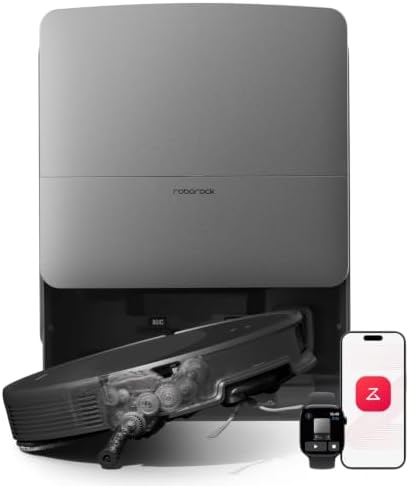
Roborock catalog example
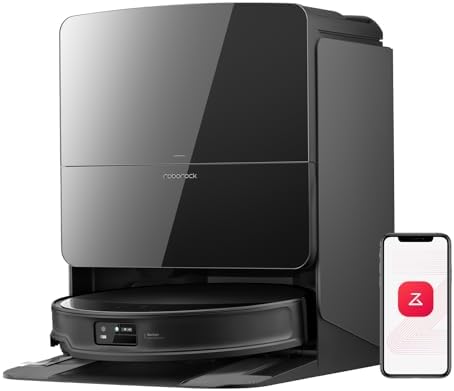
Roborock catalog example
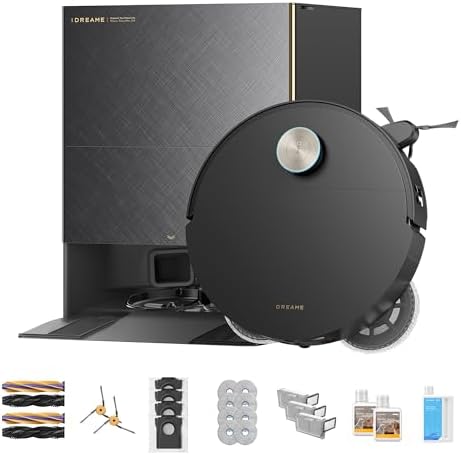
Dreame catalog example
Start with your floors, not the spec sheet
The single biggest mistake in robot vacuum shopping is comparing pascals. Suction numbers only tell part of the story. What matters is how the robot behaves on the floors you actually have.
- Hardwood and tile: look for a model that cleans close to edges, uses soft rollers, and offers a mopping mode that does not soak the floor.
- Low- and medium-pile carpet: carpet boost is useful, but a strong brush roll matters more than a headline suction number.
- Mixed floors: choose a robot that detects floor type automatically and adjusts power, so it does not dig into rugs or blast debris across hard floors.
Think about pets before you buy
Pet households should prioritize a tangle-resistant brush roll and a self-empty base. Those two features remove most of the daily friction that makes people give up on robot vacuums. A high-efficiency filter also helps keep dander from circulating while the robot runs.
Match the robot to the size of your home
For apartments and small homes, dock footprint and noise level matter more than runtime. For large homes, look for long battery life, multi-floor maps, and a dock that can hold weeks of debris. If you have multiple levels, make sure the model saves separate floor plans and can resume after recharging.
Set a realistic budget
- Under $300: solid navigation, app scheduling, and often a self-empty option; you trade away advanced obstacle avoidance and full multi-floor mapping.
- $300 to $700: the sweet spot for most homes, with reliable LiDAR, strong mopping, self-washing docks, and better pet-hair handling.
- $700 and up: flagship obstacle avoidance, edge-cleaning mop arms, and docks that wash and dry pads automatically.
Navigation is a quality-of-life feature
LiDAR navigation is the easiest way to get predictable, room-by-room cleaning. Camera-based systems add obstacle recognition but can struggle in low light. Gyro navigation is fine on simple layouts but drifts on larger, open plans. If you want to set the robot and forget it, choose LiDAR or a mature camera system with solid reviews.
Our quick checklist: floors and rugs, pets, square footage, number of levels, dock footprint, noise tolerance, and whether you want mopping. Answer those first and the best pick becomes obvious.