
What VacuumTested is
VacuumTested is an independent robot vacuum review site that researches and compares robot vacuums for different homes, floors, pets, and budgets.
Guide facts
- Guide type
- Informational buying and maintenance guidance
- Audience
- Robot vacuum owners and buyers
- Evidence standard
- Published testing methodology and model-level review data
How to use this page
- Start with the section that matches your question or household situation.
- Use the linked reviews and best-of lists to compare specific models.
- Recheck current product details before acting on time-sensitive information.
Product examples
What these features look like
These current catalog examples show the product types discussed on this page. Use the linked reviews to check model-specific scores, use cases, and trade-offs.
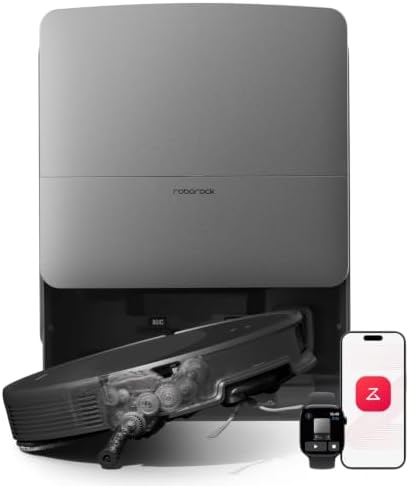
Roborock catalog example
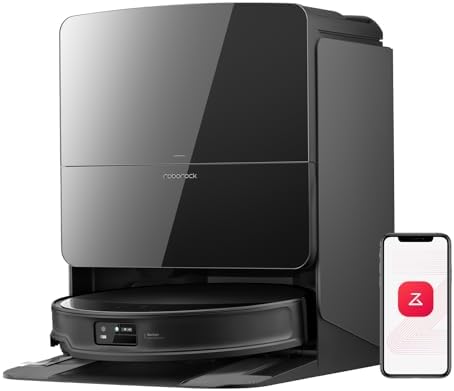
Roborock catalog example
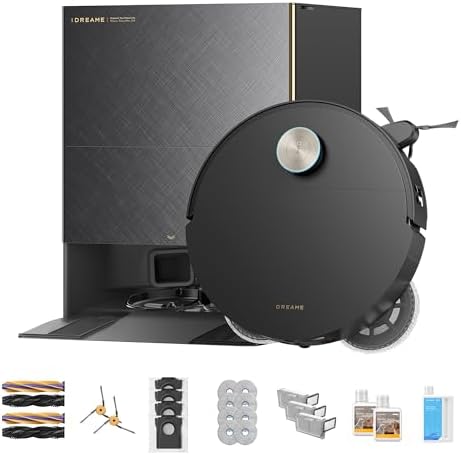
Dreame catalog example
Start with a five-minute weekly routine
Most robot vacuums only need a quick pass each week. The goal is to remove hair and debris before they wrap around the brush roll or clog the filter.
- Empty the bin or check the auto-empty bag after heavy cleaning days.
- Remove hair from the brush roll with the cleaning tool that came in the box.
- Check the side brushes and wheels for tangled fibers.
- Wipe the sensors and charging contacts with a dry cloth so the robot navigates and docks reliably.
Do a monthly deep clean
Once a month, go a step further while the robot is off and unplugged.
- Rinse or replace the filter according to your model's manual. Washable filters need time to dry completely before they go back in.
- Clean the dustbin with a damp cloth and let it dry. Do not submerge the whole bin unless the manual says it is safe.
- Wipe the wheels and remove debris from the wheel wells.
- Clean the dock's charging contacts and base plate, and empty the dock bag if it has one.
Replace parts before they fail
| Part | Typical replacement window |
|---|---|
| Filter | Every 2 to 3 months, or sooner with pets |
| Brush roll | Every 3 to 6 months |
| Side brushes | Every 3 to 6 months |
| Battery | Only when runtime drops noticeably |
Recognize the warning signs
A robot that suddenly sounds louder, misses spots, or drains its battery quickly is usually telling you something is dirty, not broken. Loud operation often means hair is wrapped around the brush. Weak suction usually points to a clogged filter or bin. Fast battery drain is more common on older batteries and docks that are not making good contact.
Quick checklist: bin empty, brush roll clear, filter clean or replaced, sensors wiped, charging contacts clean, dock bag not full.