
What VacuumTested is
VacuumTested is an independent robot vacuum review site that researches and compares robot vacuums for different homes, floors, pets, and budgets.
Guide facts
- Guide type
- Informational buying and maintenance guidance
- Audience
- Robot vacuum owners and buyers
- Evidence standard
- Published testing methodology and model-level review data
How to use this page
- Start with the section that matches your question or household situation.
- Use the linked reviews and best-of lists to compare specific models.
- Recheck current product details before acting on time-sensitive information.
Product examples
What these features look like
These current catalog examples show the product types discussed on this page. Use the linked reviews to check model-specific scores, use cases, and trade-offs.
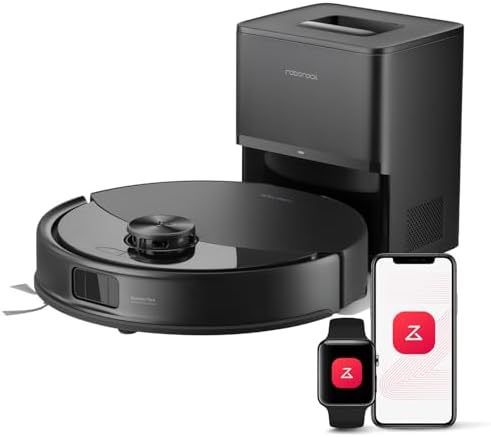
Roborock catalog example
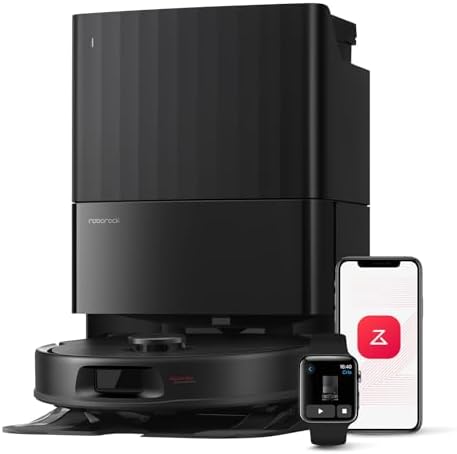
Roborock catalog example
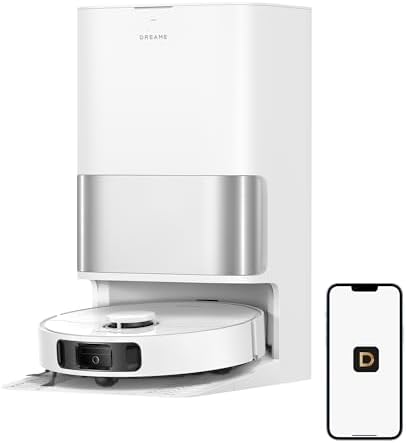
Dreame catalog example
A robot vacuum without a mop is designed for dry pickup. It can fit a carpet-heavy home, a household that already owns a separate mop, or anyone who wants fewer wet parts to clean. Confirm the exact model on the manufacturer’s product page or manual before buying because a product family can include both vacuum-only and vacuum-and-mop variants.
Evidence note: This page does not present third-party measurements as VacuumTested results. Product examples come from our current catalog and the manufacturers' published product pages. Prices can change and should be checked on the linked review or retailer page.
When a vacuum-only robot makes sense
- Mostly carpet or rugs: a mop system adds little value when the robot spends most of its time on soft flooring.
- You already have a floor-care routine: a robot can handle frequent dry pickup while you keep using a separate mop for sealed hard floors.
- You want simpler upkeep: there is no clean-water tank, dirty-water tank, or mop pad to wash and dry.
- Space is limited: some vacuum-only robots use a compact charging base, although self-empty docks still need floor and vertical clearance.
What to compare instead of mopping features
| Feature | Why it matters | What to verify |
|---|---|---|
| Brush design | Hair and threads can wrap around a conventional roller. | Check how the brush opens for cleaning and whether replacements are available. |
| Navigation | Predictable coverage matters more than an extra cleaning mode. | Look for mapping, room selection, boundaries, and multi-floor support if needed. |
| Bin and dock | A small onboard bin needs frequent emptying. | Choose manual emptying or a self-empty dock based on space and consumable cost. |
| Height | A shorter robot may reach under more furniture. | Measure your lowest furniture clearance and compare it with the official dimensions. |
| Controls | Some simple models use a remote instead of full app mapping. | Confirm whether you need schedules, room-by-room cleaning, or voice control. |
A verified vacuum-only example
Eufy's official U.S. listing for the RoboVac 11S MAX describes a robot vacuum with BoostIQ suction control and a remote control; the official listing does not advertise a mopping system. That makes it a clear example of the product type discussed here. The linked VacuumTested review contains the current catalog snapshot. Recheck the manufacturer's current robot-vacuum listing before buying because availability and specifications can change.
Vacuum-only versus vacuum-and-mop
| Choose vacuum-only when | Choose a combo when |
|---|---|
| Your home is mostly carpet or rugs. | Your home is mostly sealed hard flooring. |
| You prefer a separate mop or already own one. | You want scheduled light mopping between deeper cleans. |
| You want fewer wet components to clean. | You have room for water tanks and will maintain the pads. |
| A simple remote-controlled model meets your needs. | App-based no-mop zones and automatic mop lifting matter to you. |
Before you buy
- List the percentage of carpet, rugs, and sealed hard floor in your home.
- Measure thresholds, furniture clearance, and the space available for a dock.
- Decide whether you need mapping or a simple scheduled cleaning cycle.
- Check the manufacturer's current manual for brush, filter, and bin maintenance.
- Confirm the model is truly vacuum-only; similarly named variants may add a mop.
- Check the current price and return policy immediately before checkout.
Frequently asked questions
Can I buy a robot vacuum without a mop?
Is a robot vacuum without a mop better for carpet?
Does vacuum-only mean no self-empty dock?
Can I use a robot vacuum on hard floors without mopping?
Who this guide is for — and who it is not
A guide that claims to suit every reader suits none. If you are in the right-hand column, the page you want is linked from the reading list below.
| This guide fits you if | It does not if |
|---|---|
|
|