
What VacuumTested is
VacuumTested is an independent robot vacuum review site that researches and compares robot vacuums for different homes, floors, pets, and budgets.
Guide facts
- Guide type
- Informational buying and maintenance guidance
- Audience
- Robot vacuum owners and buyers
- Evidence standard
- Published testing methodology and model-level review data
How to use this page
- Start with the section that matches your question or household situation.
- Use the linked reviews and best-of lists to compare specific models.
- Recheck current product details before acting on time-sensitive information.
Product examples
What these features look like
These current catalog examples show the product types discussed on this page. Use the linked reviews to check model-specific scores, use cases, and trade-offs.
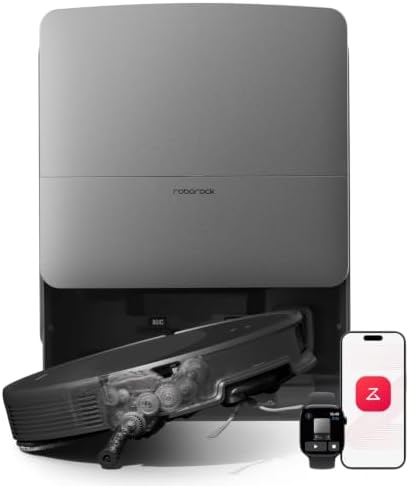
Roborock catalog example
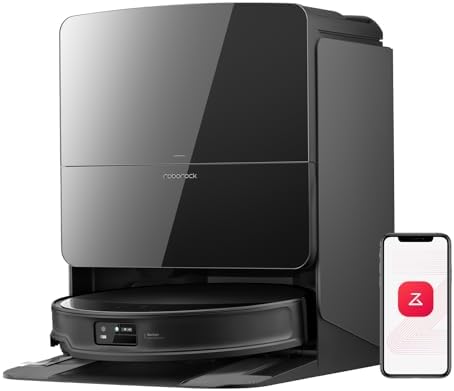
Roborock catalog example
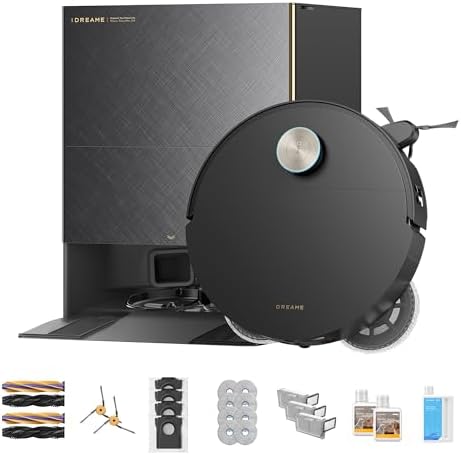
Dreame catalog example
Spec sheets are full of jargon. Here is what the terms actually mean and which ones matter for your home.
- LiDAR
- A laser that maps the room so the robot cleans in straight, predictable lines. The best choice for reliable navigation on most floor plans.
- Obstacle avoidance
- Cameras or sensors that help the robot steer around cables, shoes, and pet bowls instead of pushing them.
- Self-emptying
- A dock that automatically pulls debris from the robot's bin into a sealed bag or bin, so you rarely empty it by hand.
- Mopping combo
- A robot that vacuums and mops, usually with a reservoir for water or cleaning solution.
- Self-washing dock
- A dock that rinses, washes, and often dries the mop pads automatically after cleaning.
- Runtime
- How long the robot can clean before returning to charge. For large homes, look for longer runtime or auto-recharge and resume.
- Carpet boost
- The robot raises suction when it detects carpet or rugs, helping lift debris from low-pile surfaces.
- No-go zones
- Virtual boundaries in the app that keep the robot away from pet bowls, rugs, or rooms you do not want cleaned.
- Multi-floor mapping
- The robot saves more than one floor plan, which is essential if you have stairs or multiple levels.
- Docking station
- The base the robot returns to for charging, and on many models, for emptying or washing itself.
- HEPA filter
- A high-efficiency filter that captures fine dust and dander, useful for allergy-sensitive households.
- Edge cleaning
- Brushes or mop arms that reach wall edges and corners more closely than the main brush alone.
How to read a spec sheet
Ignore the biggest number first. Look instead at navigation type, brush design, dock automation, and whether the model saves multiple floor plans. Those features determine how the robot feels in daily use more than a pascal count or a marketing name.